- +63 (0)91 7726 4290
- info@inf-msol.com
- Mon - Fri: 9:00 - 17:00

Our Services & Products
An overview of the services you offer and how they will benefit the visitor.
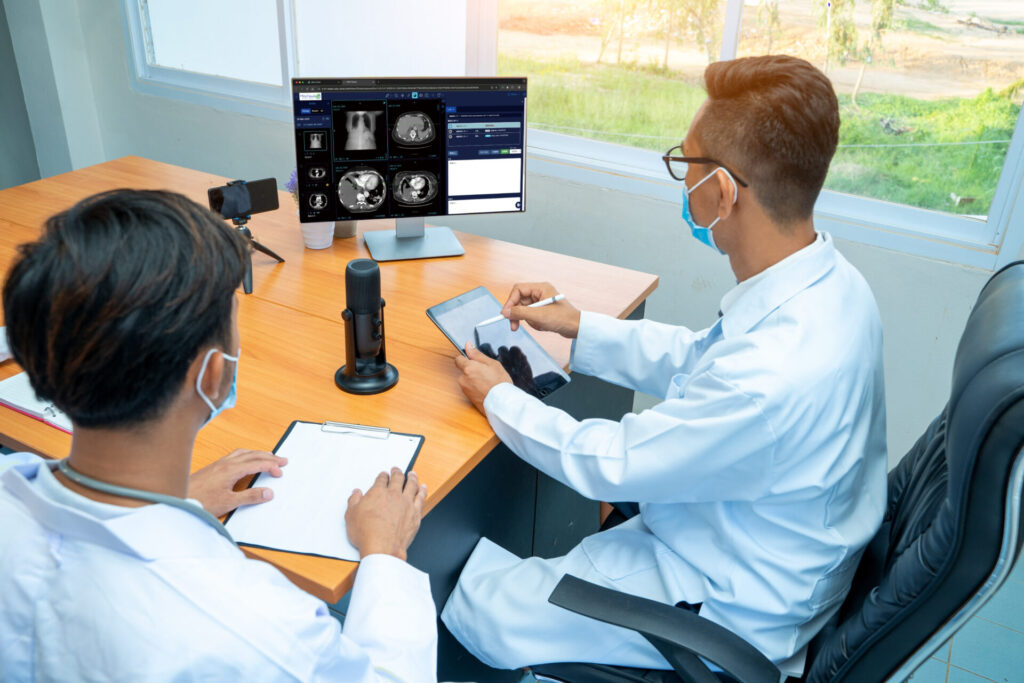
Medical imaging system products
We can provide various software for medical imaging systems.
Mity For One
Mity For One is a hospital-focused RIS/PACS system designed to support efficient medical image management across the entire facility.
By integrating a PACS server, RIS application, diagnostic workstations, and a range of web-based distribution services, the system enables centralized image management and streamlined operations throughout the hospital.
Its flexible architecture can also be extended with specialized packages for areas such as endoscopy and cardiology, as well as cloud-based services, allowing Mity For One to support broader hospital-wide digital transformation initiatives.
MityForReport USPK / ESPK
MityForReport USPK / ESPK is a specialized software package for departmental management and advanced reporting for ultrasound and endoscopic examinations, including those performed in cardiology and obstetrics and gynecology.
Implemented at more than 250 medical facilities across Japan, it is a well-established system with a strong track record in clinical use.
Mity Cloud
MityCloud is a cloud-based PACS service designed for advanced management of medical images, including DICOM data, in the cloud.
To support a wide range of healthcare collaboration needs, MityCloud also offers features for medical image backup, image sharing across hospital groups, remote diagnostic imaging support, and TV conferencing.
Mity Report Anywhere
“Mity Report Anywhere” is the name of the report creation software used in the PACS system.
Mity Viewer WR
“Mity Viewer WR” is the name of our high-performance DICOM viewer software.
In addition to general X-ray images, CT/MRI tomographic images and echo videos can be viewed smoothly.
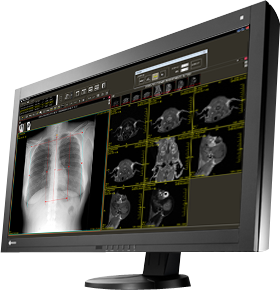
DICOM Viewer
All DICOM images such as X-Ray, CT/MRI, US, ES can be browsed.
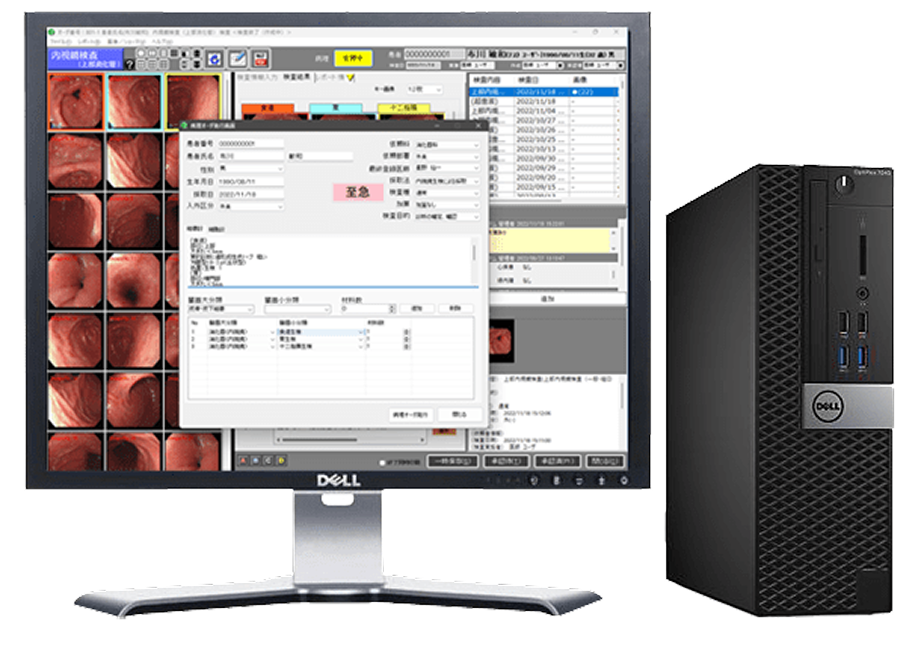
MityForReport ESPK Workstation
Dedicated workstation for endoscopy examination reporting.
-300x225.png)
Terminal terminal for health checkup equipment
Dedicated terminal terminal functions for height, weight, eyesight, hearing, etc.
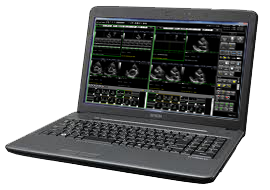
Advanced viewer for cardiovascular system
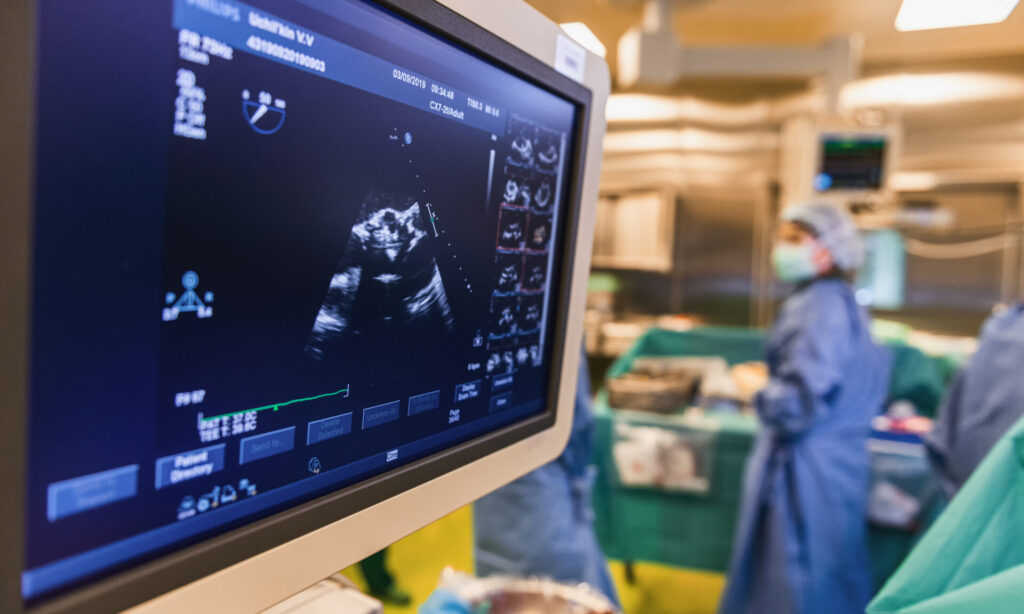
Equipped with various measurement functions, such as viewing Ultra Sound Echo videos.
What is the PACS system?

The PACS system stands for Picture Archiving and Communication System. It is a medical imaging technology used for the storage, retrieval, distribution, and presentation of medical images. The system is primarily used in healthcare facilities such as hospitals, clinics, and diagnostic imaging centers.
PACS replaces traditional film-based radiology with digital imaging. It allows healthcare professionals, such as radiologists, physicians, and surgeons, to access and interpret medical images, such as X-rays, CT scans, MRIs, and ultrasounds, from various modalities.
The PACS system consists of three primary components:
Imaging Modalities: These are the devices used to capture medical images, including X-ray machines, CT scanners, MRI machines, ultrasound machines, and others. These modalities produce digital images that are sent to the PACS system.
PACS Server: The server is the central component of the PACS system. It stores and manages the digital medical images received from imaging modalities. The server organizes the images in a database and provides secure access to authorized healthcare professionals.
Workstations and Viewing Stations: These are the computers or specialized monitors used by healthcare professionals to view and interpret medical images. They are connected to the PACS server and provide tools for image manipulation, measurement, and analysis.
The PACS system offers several advantages over traditional film-based systems. It enables faster and easier access to images, eliminates the need for physical storage space for films, reduces the risk of image loss or damage, and facilitates remote access to images for consultations or second opinions. It also allows for efficient image sharing between different departments, healthcare facilities, and healthcare professionals, improving collaboration and patient care.
Facilities that have implemented a Hospital Information System (HIS) can integrate RIS functionality for seamless system interoperability.
The entire hospital benefits from smooth digitalization through processes such as accurate examination requests from physicians via the HIS, as well as the return of examination status and results to the system.
Furthermore, the system seamlessly shares patient information with a wide range of DICOM modalities (medical devices), supporting efficient and error-free examination workflows.
All inspection images are digitized, and the required images are instantly displayed on the display.
No film or printouts are required.
All examination images generated in the hospital, such as radiology images, echo/endoscopic images, etc., are centrally managed by the PACS server.
It enables comparative reading with past inspection images.
All important case data can be called up at any time, which is useful for future case studies.
As healthcare workflows become increasingly connected, PACS systems are expected to work seamlessly with cloud-based services for image backup, remote diagnostic support involving external physicians, and patient access to completed reports through services such as Mity Portal.
Our PACS integrates directly with MityCloud, our cloud-based medical collaboration platform, to extend these capabilities and support more efficient, connected workflows across healthcare organizations.
Medical Cloud Service
We provide a "medical collaboration cloud PACS service (MityCloud)" that handles medical images on the cloud and comes with medical collaboration functions that are unique to the cloud, as well as an "e-learning cloud platform service (i-Learny)" for companies and academic societies, and provide a service to build each medical institution's website.

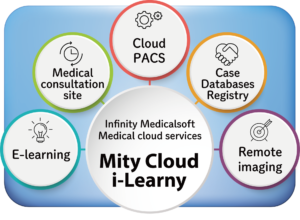
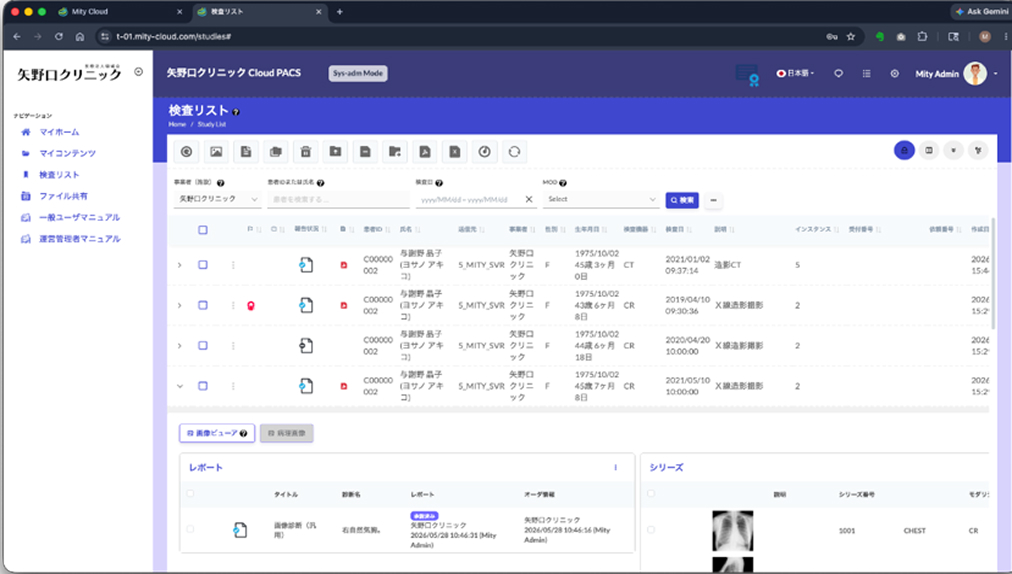
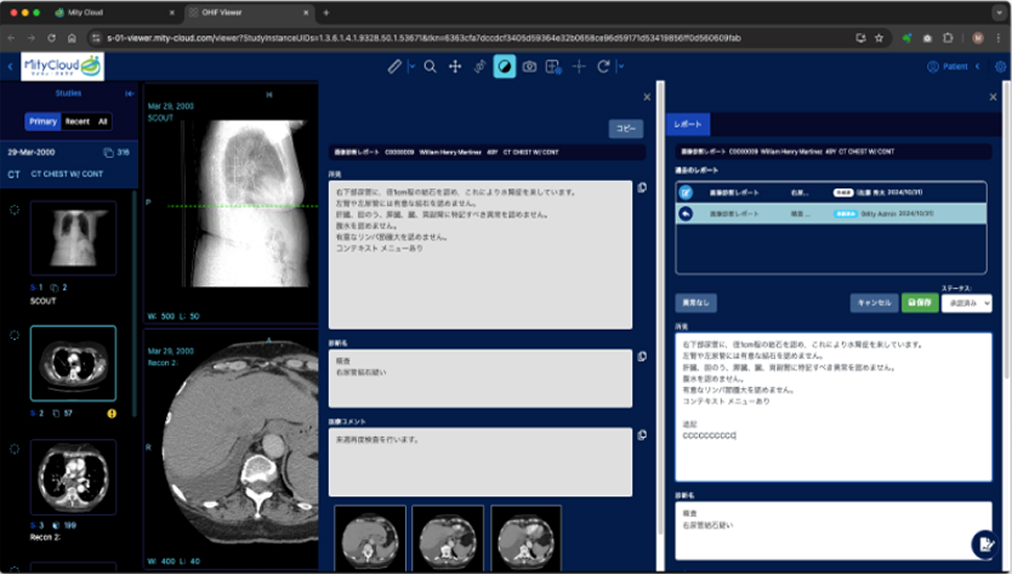
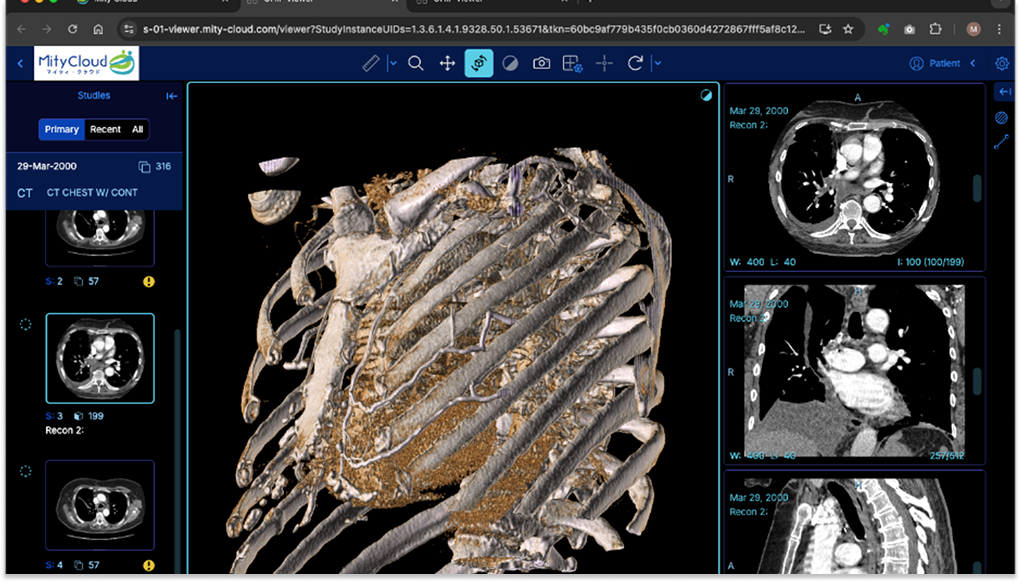
Our Medical Cloud Service
✅ Mity Cloud
MityCloud is a cloud-based PACS service designed to support medical collaboration. It can be integrated with our on-premise PACS system, MityForOne CLT, and also includes features such as chat for communication between users and e-learning for staff training and education.
It meets many needs, such as the following:
● Cloud usage by a single medical institution (access from home, off-site locations, etc.)
● Development of medical image sharing sites for hospital groups
● Development of sites for collaborative remote diagnostic imaging
● Development of sites for clinical imaging research groups
● Establishment of efficient patient referral networks
● Disaster-resilient cloud backup solutions
 i-Learny
 i-Learny
I-Learny is an e-learning cloud platform service currently in service in Japan. Since it supports Japanese and English, it can be used immediately if there is a request.
In addition, it is possible to respond quickly to your content service site by using many functions of this service.